Home / What's inside
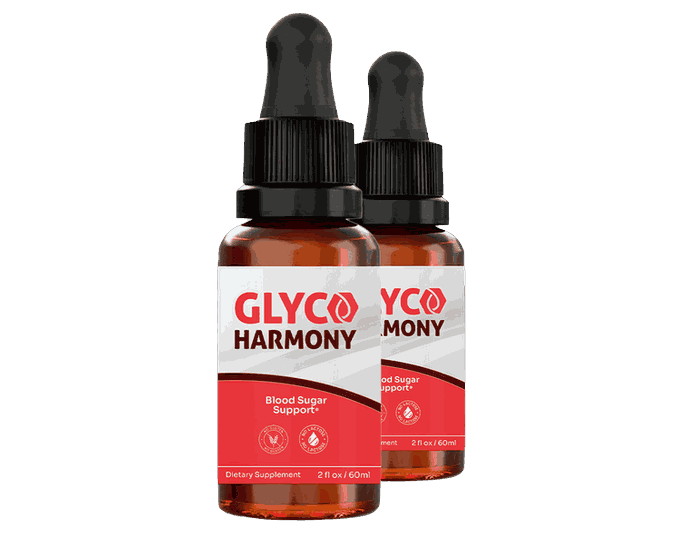
The label, in full
What's inside GlycoHarmony
The Gist
GlycoHarmony contains six ingredients: chromium picolinate, gymnema leaf extract, African mango seed extract, green tea leaf extract, maca root extract and Panax ginseng aerial extract, in a 2 fl oz liquid base. The serving is one to two full droppers a day. The milligram amount of each ingredient is not published, on the bottle or anywhere else, and this page says so rather than filling the gap with numbers we cannot stand behind.
Why this page exists
You should be able to read a label before you buy
Most people arriving here want one of two things: the ingredient list, or the amounts. We can give you the first completely. The second we cannot, because GlycoHarmony's published label states the ingredients without stating quantities, and inventing them would be worse than admitting it.
So this page reproduces the panel as printed, explains each of the six ingredients in plain language with references, and is honest about the limits of what a supplement can claim.
The panel
GlycoHarmony Supplement Facts
Supplement Facts
Serving Size: 1 to 2 full droppers (approximately 1 mL to 2 mL)
Servings Per Container: about 30 at the full two-dropper serving
| Ingredient | Amount Per Serving | % DV |
|---|---|---|
| Chromium (as Chromium Picolinate) | Not disclosed | † |
| Gymnema Leaf Extract | Not disclosed | † |
| African Mango Seed Extract (Irvingia gabonensis) | Not disclosed | † |
| Green Tea Leaf Extract (Camellia sinensis) | Not disclosed | † |
| Maca Root Extract (Lepidium meyenii) | Not disclosed | † |
| Panax Ginseng Aerial Extract | Not disclosed | † |
† The amount per serving and the percent Daily Value are not published on the GlycoHarmony label or in the manufacturer's product information. Chromium is the only ingredient here with an established Daily Value; the five botanicals have none.
Other ingredients: purified water and a vegetable glycerin base. Non-GMO, vegetarian, dairy free and naturally gluten free. Contains no added sugar.
Read this part
About the missing numbers
A Supplement Facts panel is allowed to list a proprietary blend as one total, and many liquid formulas do. GlycoHarmony lists its ingredients individually but publishes no per-serving quantities. Better you know that before ordering than after.
In practice: you can see exactly what is in the bottle, and you cannot compare GlycoHarmony against a chromium tablet on milligrams alone. If that is how you shop, it is a fair reason to choose something else. We would rather lose the sale than invent a figure.
The physical label on your bottle is the authoritative document. If anything on it contradicts this page, write to [email protected] and we will correct the page.
Pillar one
The mineral: chromium picolinate
Chromium is an essential trace mineral, meaning the body cannot make it and has to take it in from food. National Institutes of Health guidance describes its role in normal carbohydrate and fat metabolism and notes the amounts required are small, measured in micrograms[1]. Picolinate is a chelated form chosen because it survives digestion better than chromium salts.
Chromium is the anchor here. Everything else is botanical. If you already take a multivitamin containing chromium, mention it to your clinician, because the total across products is what matters.
Pillar two
The absorption side: gymnema and African mango
Gymnema sylvestre is the ingredient most people recognise on a blood sugar label, and it earned that recognition the hard way, over centuries of use in traditional Indian practice. Its Hindi name, gurmar, translates roughly as sugar destroyer, a reference to the way chewing the raw leaf temporarily blunts the ability to taste sweetness. Independent research summaries treat it as one of the better-studied botanicals in this category while being clear that the evidence base is still developing[6].
African mango seed extract, from Irvingia gabonensis, is the second half of this pillar: a fibre-rich West African seed extract used for how it behaves alongside meals. Neither ingredient changes what a meal is. They sit alongside the way you eat, not instead of it.
Pillar three
The steadiness side: green tea, maca and ginseng
Green tea leaf extract contributes catechins, the polyphenols that have made green tea one of the most examined beverages in nutrition science. The NCCIH summary is measured about what is established and what is not, which is the tone this page tries to keep as well[2]. Standardised leaf extract also carries a small amount of naturally occurring caffeine, which is worth knowing if you are sensitive to it in the morning.
Maca root and Panax ginseng aerial extract are the adaptogens[7][4]. Together they cover the part of the day a glucose-only formula ignores, which is how you feel between two and five in the afternoon.
Our standards
How GlycoHarmony is made
- Blended and bottled in the United States.
- Produced in an FDA-registered facility operating under Good Manufacturing Practice.
- Every production run is independently tested for purity and potency before release.
- Non-GMO, vegetarian, dairy free and naturally gluten free.
- Amber glass, because light degrades botanical extracts.
We do not publish laboratory names or certificate numbers, because a number you cannot verify is not transparency. Send us the lot code printed on your bottle and we will answer about that run.
Manufacturer product information for GlycoHarmony is published at glycoharmony.com.
The limits
What GlycoHarmony does not claim
GlycoHarmony is a dietary supplement. It is not a treatment for diabetes or any other condition, it does not lower blood sugar as a drug does, and it is not a substitute for medication, diet or exercise. National guidance is explicit that supplements should not replace conventional care[5], and we are not going to argue with that to sell a bottle.
What it is: daily support for adults whose glucose is already in the normal range. If your numbers are outside it, the first call is to your clinician.
Ingredient by ingredient
The six, one at a time
Chromium Picolinate
an easily absorbed form of the trace mineral chromium
An essential trace mineral used in normal carbohydrate and fat metabolism. Picolinate is the chelated form, chosen because it survives digestion. The only ingredient here with an established Daily Value.
Gymnema Leaf Extract
the classic sugar-handling botanical
Used in traditional Indian practice for centuries and the ingredient most people recognise on a blood sugar label. Chewing the raw leaf dulls the taste of sweetness, which is where the Hindi name gurmar comes from.
African Mango Seed Extract
Irvingia gabonensis, a West African seed extract
A fibre-rich West African seed extract that appears in metabolic formulas for how it behaves alongside meals. It sits on the absorption side of the blend, not the mineral side.
Green Tea Leaf Extract
Camellia sinensis, standardised leaf extract
The catechin source, and the reason green tea is one of the most studied plants in nutrition. It also carries the trace of naturally occurring caffeine in this formula.
Maca Root Extract
Lepidium meyenii, a Peruvian root
A cruciferous root from the high Andes, eaten as a food there and used elsewhere as an adaptogen for steady energy rather than for one narrow effect.
Panax Ginseng Aerial Extract
the leaf and stem portion of Panax ginseng
Most ginseng supplements use the root. GlycoHarmony uses the above-ground leaf and stem, rounding out the adaptogen side alongside maca.
Glossary
Terms on this page
- Adaptogen
- A plant taken for general resilience rather than one narrow effect. Maca and ginseng are the adaptogens here.
- Aerial part
- The above-ground leaf and stem. GlycoHarmony uses the aerial part of Panax ginseng rather than the root.
- Catechin
- A polyphenol found in green tea leaf, and the reason green tea is studied as heavily as it is.
- Chelated mineral
- A mineral bound to an organic carrier to help it survive digestion. Chromium picolinate is one.
- Daily Value (DV)
- The reference intake on U.S. supplement labels. Chromium has one; the five botanicals do not.
- Good Manufacturing Practice
- The production standards a supplement facility operates under. It governs how a product is made, not whether it works.
Questions about the formula
Four answers people want before ordering
What are the ingredients in GlycoHarmony?
GlycoHarmony contains six active ingredients: chromium picolinate, gymnema leaf extract, African mango seed extract, green tea leaf extract, maca root extract and Panax ginseng aerial extract, carried in a liquid base. There is no proprietary blend name hiding a longer list, and there are no stimulants beyond the small amount of caffeine naturally present in green tea leaf extract.
Is GlycoHarmony safe?
GlycoHarmony is made in the United States in an FDA-registered facility that follows Good Manufacturing Practice, and every production run is tested for purity and potency before it is released. That covers what is in the bottle. Whether it is safe for you specifically is a different question, and the honest answer is that anyone on glucose-lowering medication, anyone pregnant or nursing, and anyone under 18 should ask a clinician before starting.
Does GlycoHarmony have side effects?
Most people report none. The two comments that come up in our own review pool are the herbal taste, which some people dislike for the first week, and mild stomach unsettledness when the full two-dropper serving is taken on a completely empty stomach. Starting with one dropper and taking it just before food resolves both for most people. Stop taking it and contact us if anything unusual persists.
Is GlycoHarmony FDA approved?
No, and neither is any other dietary supplement. The FDA does not approve dietary supplements the way it approves drugs; it regulates them as food. What can honestly be said about GlycoHarmony is that it is manufactured in an FDA-registered facility operating under Good Manufacturing Practice, and that the statements on this site have not been evaluated by the FDA.
Educational information only. Nothing on this page is medical advice or a substitute for a conversation with the clinician who knows your history. Last updated: July 2026.
Now that you have read the label
Six ingredients, a 2 fl oz bottle, 30 days per bottle. Sixty days to change your mind.
Sources Consulted
- National Institutes of Health, Office of Dietary Supplements. Chromium: Fact Sheet for Health Professionals.
- National Center for Complementary and Integrative Health. Green Tea.
- MedlinePlus, U.S. National Library of Medicine. Blood Sugar.
- National Center for Complementary and Integrative Health. Asian Ginseng.
- National Center for Complementary and Integrative Health. Diabetes and Dietary Supplements: What You Need To Know.
- Examine.com. Gymnema sylvestre research summary.
- Examine.com. Maca research summary.
- National Institute of Diabetes and Digestive and Kidney Diseases. Managing Diabetes.
- U.S. Food and Drug Administration. Dietary Supplements.
- MedlinePlus, U.S. National Library of Medicine. Diabetes Medicines.